Process Overview
Adopting the latest Technology for Efficient and Reliable Manufacturing
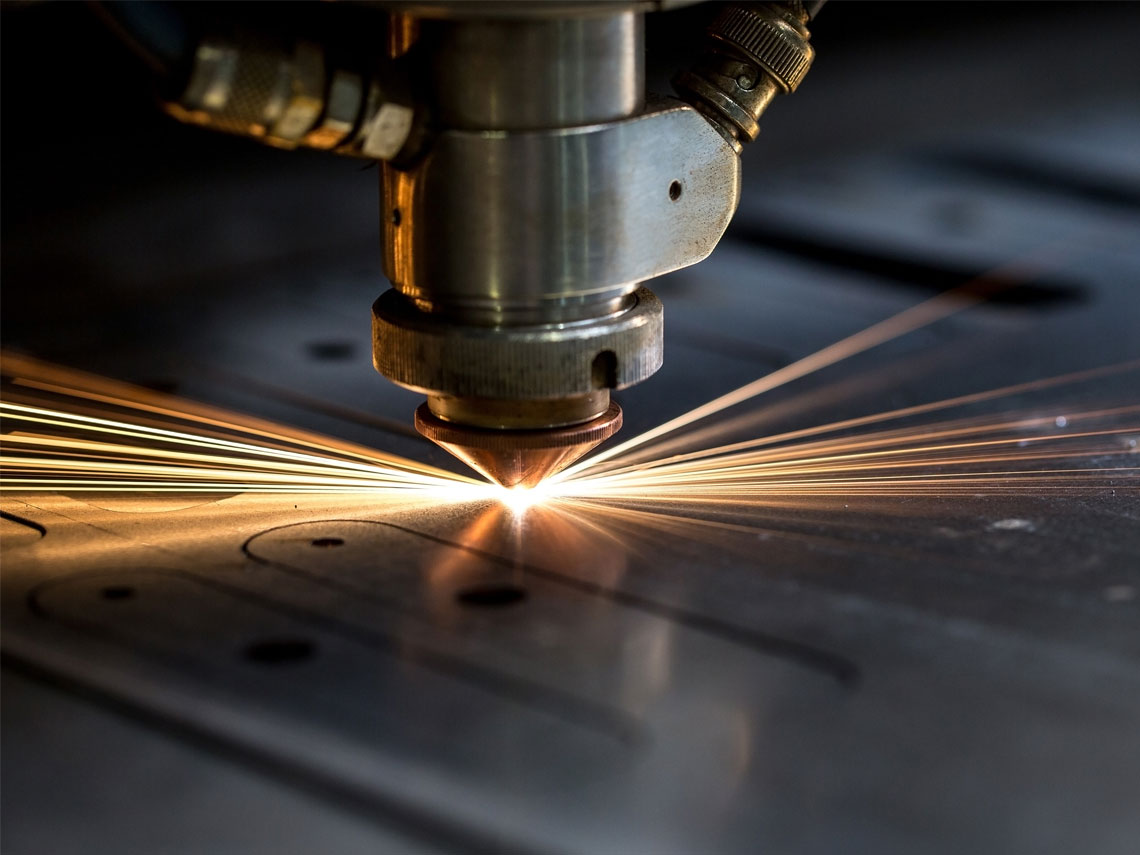
Sheet metal is one of the fundamental forms used in metal working, and it can be cut and formed into a variety of shapes by different methods. Sheet metals are manufactured by cold or hot rolling depending on the type of material and final sheet thickness to be maintained. Generally, if the sheet thickness is below 6mm then it is called as sheets and above it is called as plates. They are available for industrial use in the form of flat pieces or coiled strips and shall be selected based on the part to be manufactured and its quantum of production. We can process the sheet metal by various methods to meet your requirement such as :
Sheet metal is first cut into different profiles by gas cutting, plasma, water jet, wire cut and laser. It is then shaped into a pre-requisite form by bending, rolling, punching etc. to make different parts which are welded together to form a single fabricated structure. We can provide these sheet metal fabrication services with the required welding qualifications.
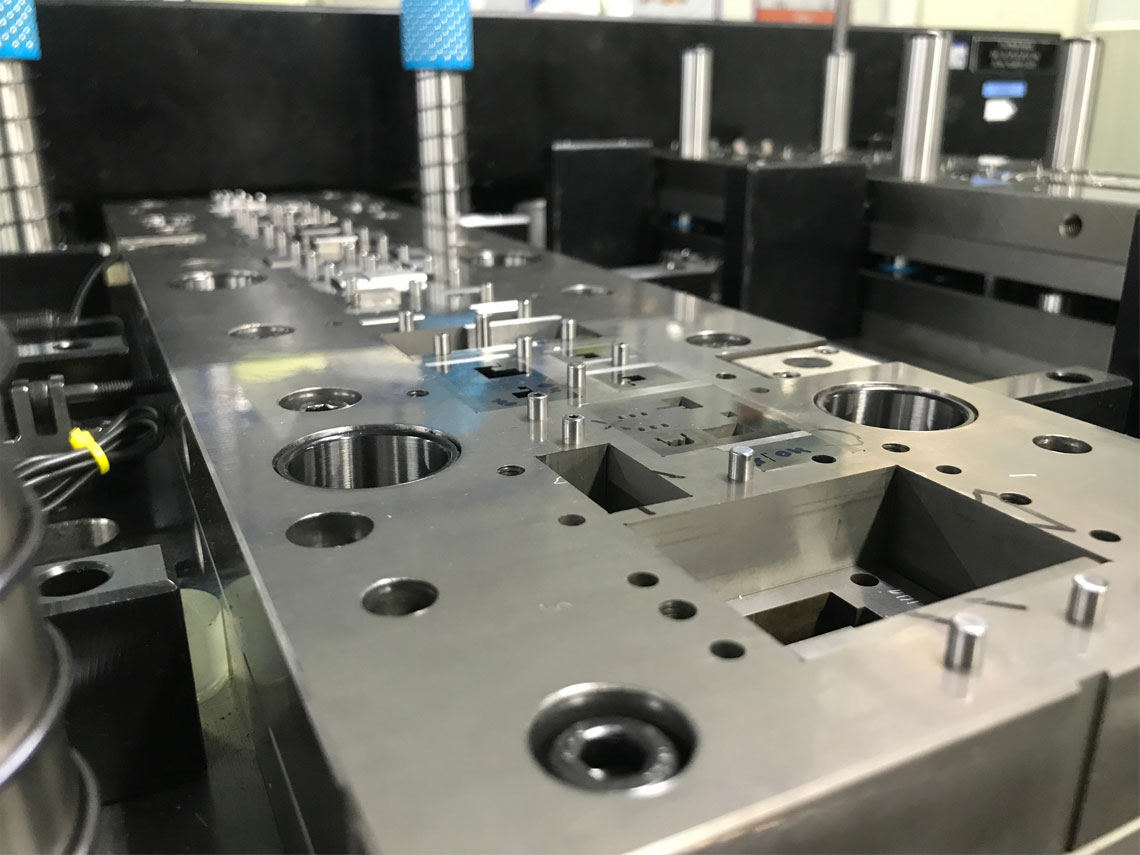
It includes a variety of operations such as punching, blanking, embossing, bending, flanging, and coining. We can provide a range of sheet metal stamping services to manufacture simple as well as complex shapes at high production rates. It is preferred to go for stamping only when the part design is finalized as the initial investment in tooling is a bit high. However, since the process is almost automated the eventual cost of production per part is very low.
It is a forming process in which the metal is stretched over a set of dies. In deep drawing the depth of the part being made is more than half its diameter. It is generally done in multiple steps called draw reductions. It can also be done in fewer reductions by heating the workpiece. Normally sheet metals used for drawing are of a particular grade called D (Drawing), DD (Deep Drawing) and EDD (Extra Deep Draw) since they have better formability properties compared to conventional grade of sheet metal. We can provide sheet metal deep drawing services to manufacture deep drawn parts out of different stainless-steel grades.
Spinning is used to make tubular (axis-symmetric) parts by fixing a piece of sheet stock to a rotating mandrel. Rollers or rigid tools press the sheet metal stock against the form, stretching it until it takes the shape of the form. We can provide sheet metal spinning services to support prototype developments and customized low volume requirements.
Materials
Commodities that we emulsify into Finished product
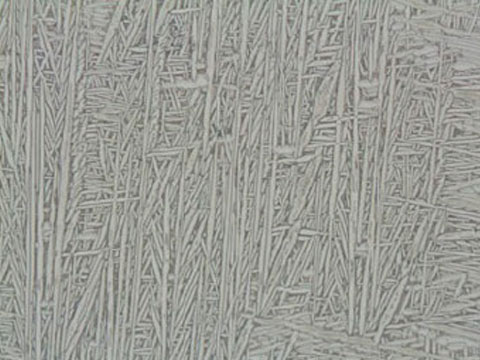
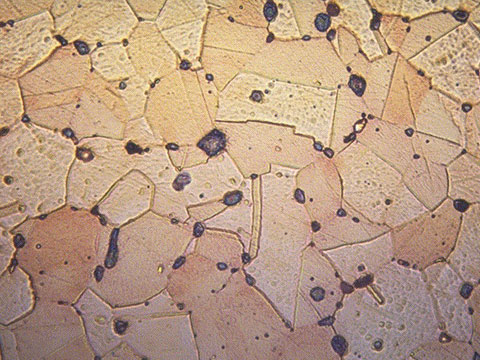
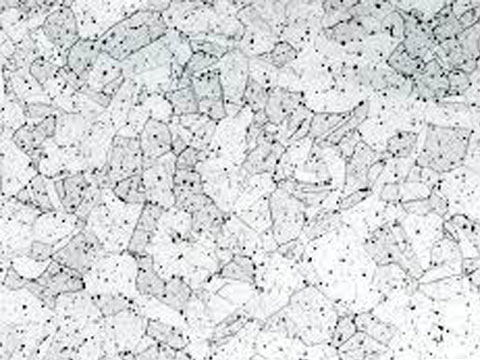
There are many different metals that can be made into sheet metal such as steel, aluminium, brass, copper, tin, nickel, and titanium. About 80% of sheet metal parts are made from carbon steel and surface treated to achieve desired corrosion and oxidation resistance. The most popular stainless-steel grade is SS 304 which offers good weldability and formability. However, SS 316 has better corrosion resistance and strength at elevated temperatures. We can manufacture precise carbon steel and stainless steel sheet metal stamped parts in various material grades. Aluminium is also a very popular choice for sheet metal parts due to its flexibility, wide range of options, cost effectiveness and other properties. We can manufacture custom aluminum sheet metal stamped parts for different engineering applications. Brass, an alloy of copper, is also widely used due to its strength, corrosion resistance and formability while retaining its conductivity. For decorative uses, some important sheet metals include silver, gold, and platinum. Sheet metal of iron and other materials with high magnetic permeability also known as laminated steel cores has applications in transformers and electric machines.
Carbon Steel Alloys
Stainless Steel Alloys
Alluminium Alloys
Titanium Alloys
Brass Alloys
Copper Alloys
Capabilities
A synopsis of our Skills and Expertise
- Integrated sequential manufacturing process i.e Simulation -> Tool designing and manufacturing -> Prototype -> Mass production
- Simulation support for new part developments
- Tool room support consisting of CNC, VMC and 5 axis machining facilities for providing custom sheet metal services
- Prototype to high volume production of up to millions of parts per year based on part configuration
- Fabrication of heavy and big sized parts
- Stamping and Deep Drawing of parts in stainless steel grade and alloy steels
- Working with sheet metal thickness in the range of 0.15mm to 8mm
- Different types of metal finishing services such as fettling, heat treating, plating, anodizing, passivation, phosphating, blackodizing, buffing, galvanizing, metallizing, polymer painting etc
- CMM inspection for part validation and approval of stamped and drawn parts
- Checking fixtures for easy and quick inspection of mass production parts
- In-house and third party lab tests carried out for raw material verification, certified to NABL standards
- Complete NDT testing of parts for defect analysis pre and post fabrication as per international standards
- Customer appointed third party inspection and verification allowed
- Manufacturing facility certified to IATF and ISO Quality Management System
Application and Benefits
Gain an Advantage over your Competition
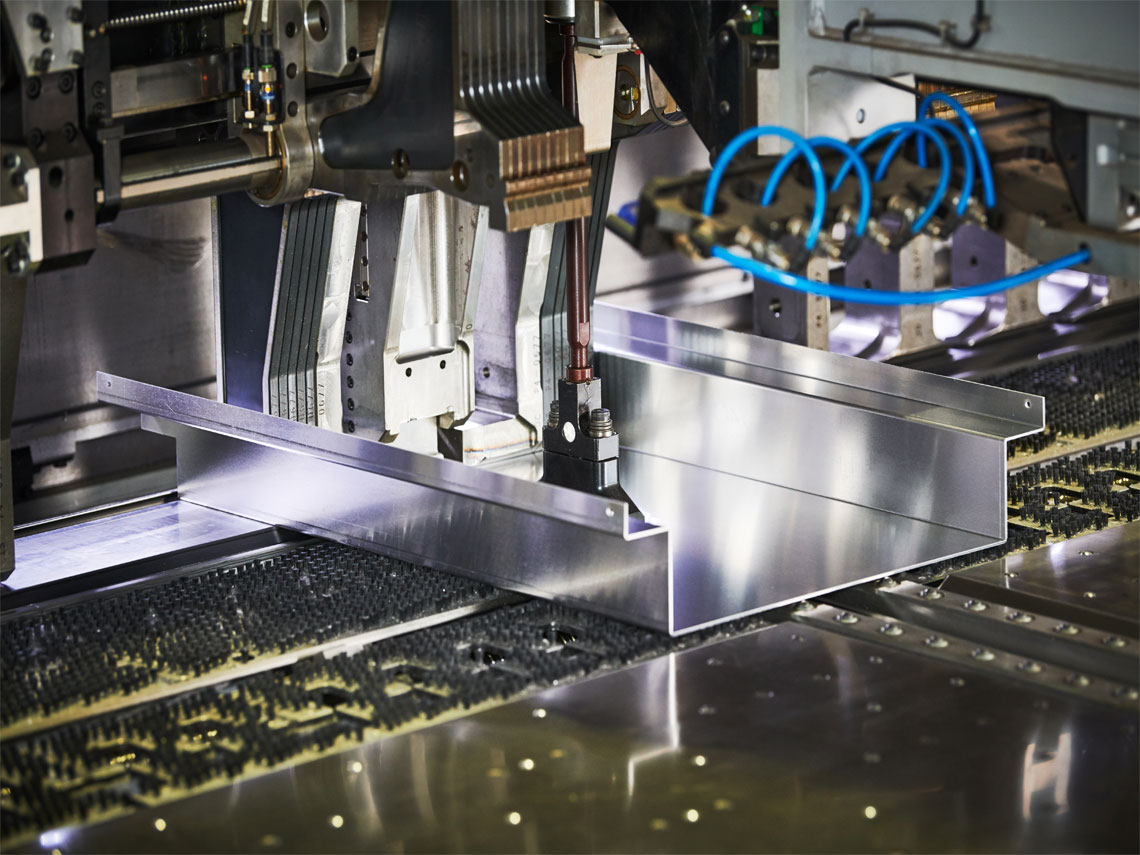
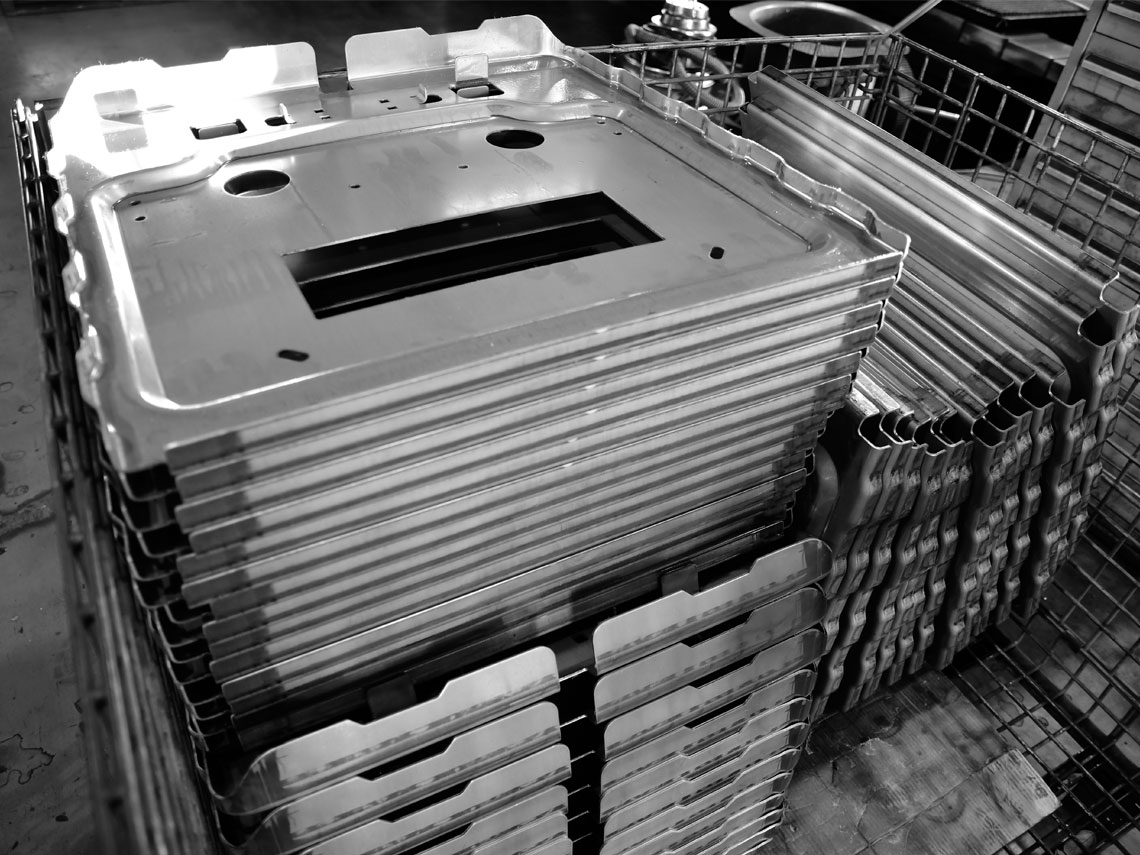
- The advent and advancement in sheet metal technology has majorly been driven by the automotive industry. The primary target has been to manufacture lightweight high strength sheet metal parts with good formability and weldability. Most of the parts that go into an automobile include chassis, door panels, roofs, fuel tanks and thousands of other structural parts that are welded or bolted to the main structure. We can provide sheet metal services for the Automotive industry based on its usage and requirement.
- Sheet metal services for Engineering, Aerospace, Defence and Marine - Airplane fuselages, wings, plate armor, connectors, fittings, enclosures, housings, couplings etc.
- Electronics and Lighting - We can make sheet metal enclosures for electronics as well as other commodity products such as telecom, computer systems, routers, switches, connectors, servers, custom parts for interior and exterior lighting etc.
-
Sheet metal offers a host of benefits which include :
- Selection of wide variety of materials
- Flexibility of manufacturing processes
- Different tooling options to increase productivity
- High level of automation and process control
- High production rates
- Low per part cost in production
Frequently Asked Questions
Got Questions? We've Got Answers!
- Our range of services in sheet metal part manufacturing can be broadly classified as fabrication, stamping, deep drawing and spinning generally preceded by sheet metal laser cutting and sheet metal water jet services.
- Few commonly carried processes in stamping include blanking, piercing, notching, trimming, parting off, perforating, shaving, lancing, broaching etc.
- In cold forming the metal is subjected to forces at room temperature whereas in hot forming the metal is heated to a high temperature making it easier to form it into complex shapes.
- Cold forming requires higher forming forces but also delivers high precision, high quality surface finishes and high-speed production.
- Before designing a part, the most basic input needed is the material and size selection.
- Few factors that the designer needs to consider while modelling a sheet metal component include wall thickness, bend radii, orientation of holes and slots, K-factor, bend allowance, bend reliefs etc.
- We can manufacture the press tools suitable to produce the final sheet metal part. This includes both prototype and production tooling.
- Depending on the part design we can manufacture different types of tools such as progressive tool, compound tool, combination tool etc.
- The part design shared by the customer is reviewed and notable suggestions are given to improve manufacturing feasibility wherever possible. The parts are simulated for design and function and taken up for manufacturing feasibility review.
- Tentative process flow is created and tooling’s are designed accordingly to simulate the manufacturing process.
- Any recommendation for design change is communicated and approved from the customer and the part design is finalized after its passes the simulation.
- The proto tool is manufactured, and a pilot lot is stamped to check conformity to design requirement.
- On approval of proto parts, the production tooling is manufactured and taken on the allocated press for manufacturing of production lot.
- We keep expanding our capabilities by inducting professional and experienced vetted suppliers to our partner network. Please refer to Capability section of this page for more details.